
Why did Cristina Mittermeier turn to photography?
Born in Mexico City and raised in Cuernavaca, Mittermeier began as a marine biologist, as National Geographic’s account of her conservation career explains. The ocean was her subject before photography became her profession.
The reality of fisheries training unsettled her. In her True Calling interview about working on fishing boats, she recalls collecting dolphins that had drowned in nets. By graduation, she knew she wanted a different direction.
Research gave her knowledge of the problem. Photography offered a way to bring other people into it. Later in the interview, she identifies a shortage of compelling images as a gap in conservation communication. The camera became a way to make people pause, ask questions and care.
A photograph prompted her to take the craft seriously
A museum banner made the possibility tangible. In her 2020 account of starting photography, Mittermeier recalls seeing her Amazon photograph displayed in Houston but credited to her then husband. She enrolled in Corcoran night classes and funded equipment through portrait work in Great Falls, Virginia.
Learning continued beyond the camera controls. In her BBC Earth interview about developing her photography, she describes teaching herself the basics, returning to study fine art, and looking to writers, painters and philosophers as well as photographers.
That combination matters to understanding her work. She had a scientific subject she cared about, but she also needed images that could hold someone’s attention without a scientific explanation beside them.
People became central to the conservation story
Mittermeier’s photography connected human lives with the environments around them. Her 2020 NOVA interview on mentorship and conservation photography traces an early influence to Conservation International, where she shared office space with a photographer making conservation books. His work showed her a possible career.
Her own approach to Indigenous communities emphasised dignity and contemporary life. She told NOVA that she wanted viewers to recognise shared human experiences, rather than see people as remnants of the past. That gave her conservation stories a human centre.
She also described connecting with people and taking an interest in their work as a particularly valuable skill. The career depended on relationships as well as photographs.
Underwater work opened another chapter
Paul Nicklen became a mentor and collaborator. Mittermeier borrowed his camera for a Honduras lobster fishery assignment, beginning her underwater photography.
In 2014, the pair cofounded SeaLegacy to support ocean conservation through visual storytelling. Mittermeier later cofounded Only One. In National Geographic’s 2021 profile, she named the creation of those organisations as her proudest accomplishments.
Her National Geographic assignments and Smithsonian Conservation Photographer of the Year recognition established her photography. The organisations extended what she could do with it.
Send your next photo delivery with HeftySend.
Sharing a shoot with a client or editor? HeftySend lets you send up to 100 GB free, without an account, with three day expiry. Recipients do not need an account to download. Our guide to sending your first transfer explains the process.
Reaching an audience brought responsibility
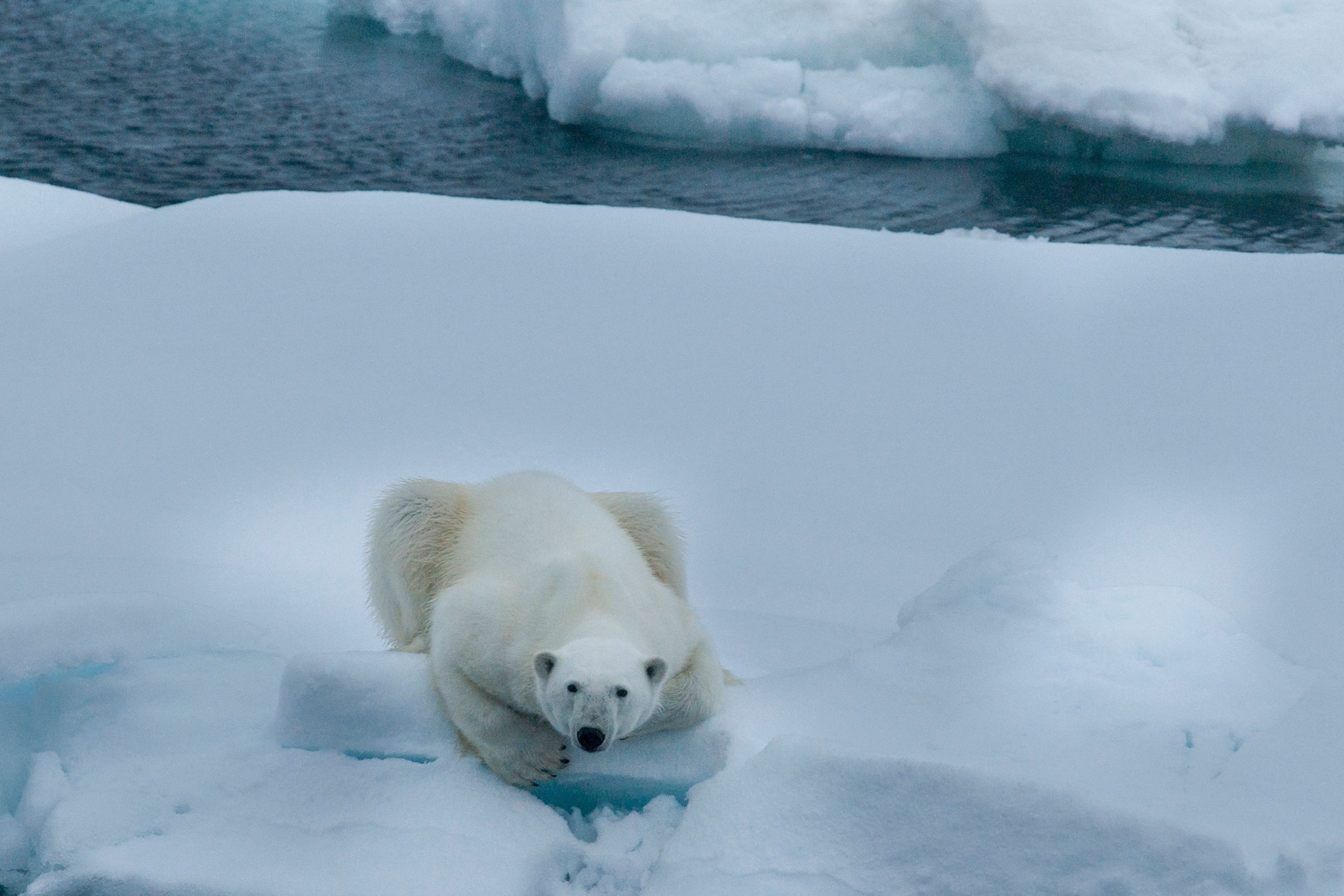
Mittermeier’s growing audience made the relationship between science and storytelling more consequential. National Geographic named her and Nicklen among its 2018 Adventurers of the Year, recognising their work connecting powerful imagery with ocean conservation.
Its report on the photographers’ impact and the debate around their polar bear footage also described criticism of a separate 2017 video showing a starving bear. Nicklen acknowledged that they could not establish climate change as the cause of that particular animal’s condition.
The episode exposes a difficult part of this kind of career. A photograph can make a problem feel immediate, while the explanation around it still needs to distinguish evidence from inference. In the same profile, Mittermeier stressed that conservation work takes years. Attention is a beginning, not a completed campaign.
What made her career work?
Mittermeier combined subject knowledge, artistic study and the ability to bring people together. Her later interviews also make clear how much practical work supported the pictures. Speaking to BBC Earth in 2022, she described long days finding situations to film, maintaining diving equipment and raising money for expeditions.
Her account of working and fundraising at sea makes success look less like a single spectacular encounter and more like sustained effort around a chosen subject. The image is the visible result. Keeping a crew working and giving an audience a useful next step are part of the job too.
For another route into a photographic career, our story about John Dolan’s approach to wedding photography follows how he built his work around observation and trust.
Frequently asked questions
Was Cristina Mittermeier a marine biologist?
Yes. She worked in marine biology before building her career in conservation photography.
Where did Cristina Mittermeier study photography?
She studied at the Corcoran College for the Arts in Washington, D.C.
When did Cristina Mittermeier and Paul Nicklen start SeaLegacy?
They cofounded SeaLegacy in 2014 to advance ocean conservation through photography and visual media.
What is distinctive about Cristina Mittermeier’s photography?
Her work brings wildlife, Indigenous communities and environmental issues into the same conversation, using human connection to encourage conservation.