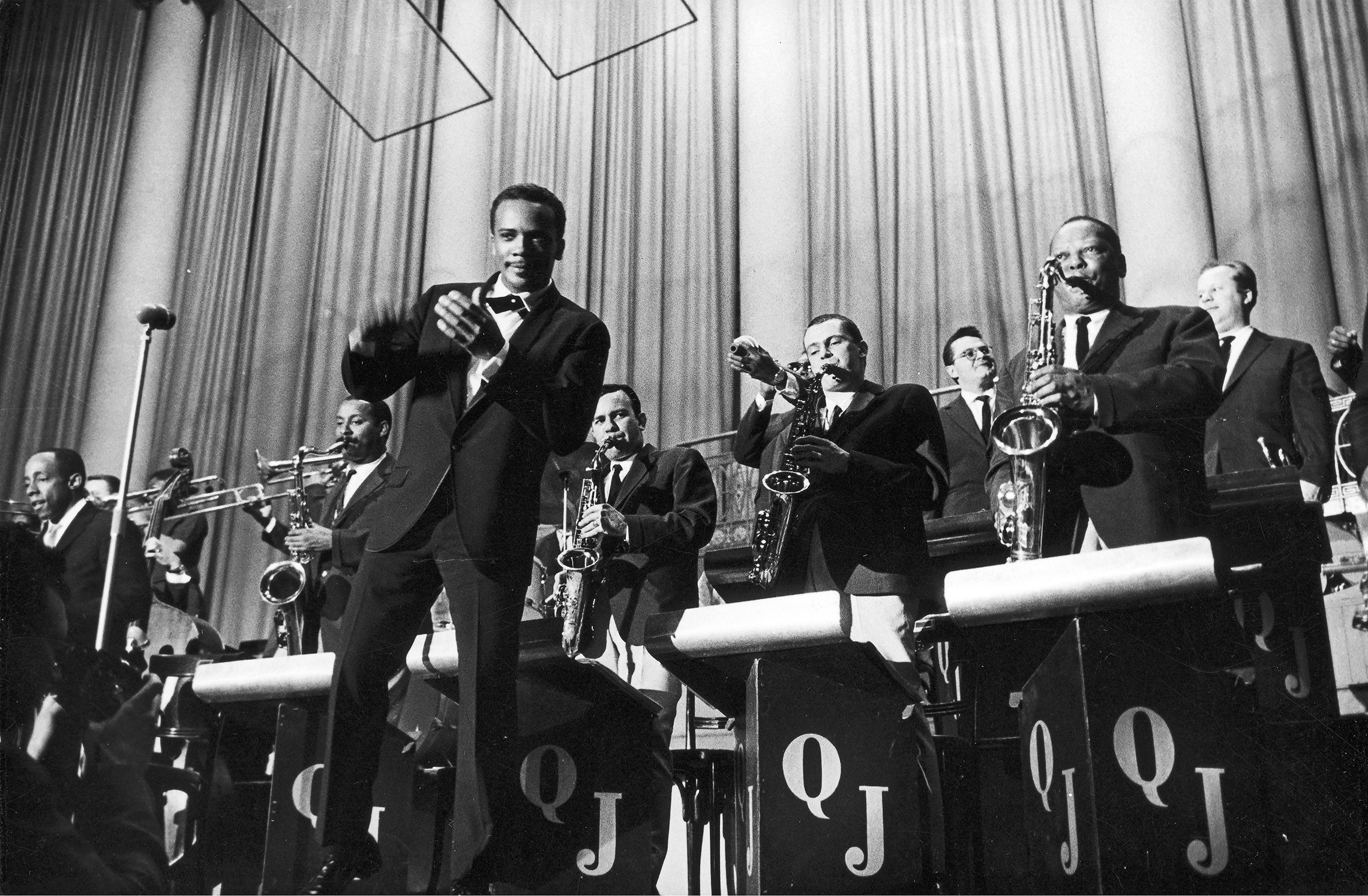
Quincy Jones’s career is easier to understand when you look beyond its most famous credit. As NPR’s account of his life makes clear, he was already a jazz musician, arranger, record executive and film composer before his extraordinary run of pop successes in the 1980s.
That changes the story. Thriller was a landmark in an already substantial working life, rather than the point at which his abilities suddenly appeared.
How did Quincy Jones start in music?
In Academy interviews from 1995 and 2000, Jones recalled finding a piano in a Bremerton armoury and learning arranging from Ray Charles.
He described hearing arrangements in his head and wanting to understand how to write parts for a band.
Arranging opened the next doors
Playing trumpet in Lionel Hampton’s band put Jones into professional jazz. NPR describes a career that soon brought him alongside performers including Charles and Frank Sinatra, while his own records and production work for Lesley Gore gave him different kinds of responsibility.
His education continued outside the bandstand. The Smithsonian’s account of his development records his composition studies with Nadia Boulanger and his work with Dizzy Gillespie, Count Basie and Sarah Vaughan.
Those were different musical relationships: a place in a touring band, composition lessons and responsibility for another artist’s recording. Taken together, they help explain the breadth of the career that followed.
A touring setback changed his direction
A failed show stranded Jones’s band in Europe for ten months. He recalled using his publishing assets to bring everyone home, then taking a Mercury Records job to tackle his debts.
The episode complicates a tidy account of uninterrupted success. The same career contained both musical ambition and financial difficulty. The move into a record company makes more sense when you understand what preceded it.
Film work led into his pop production career
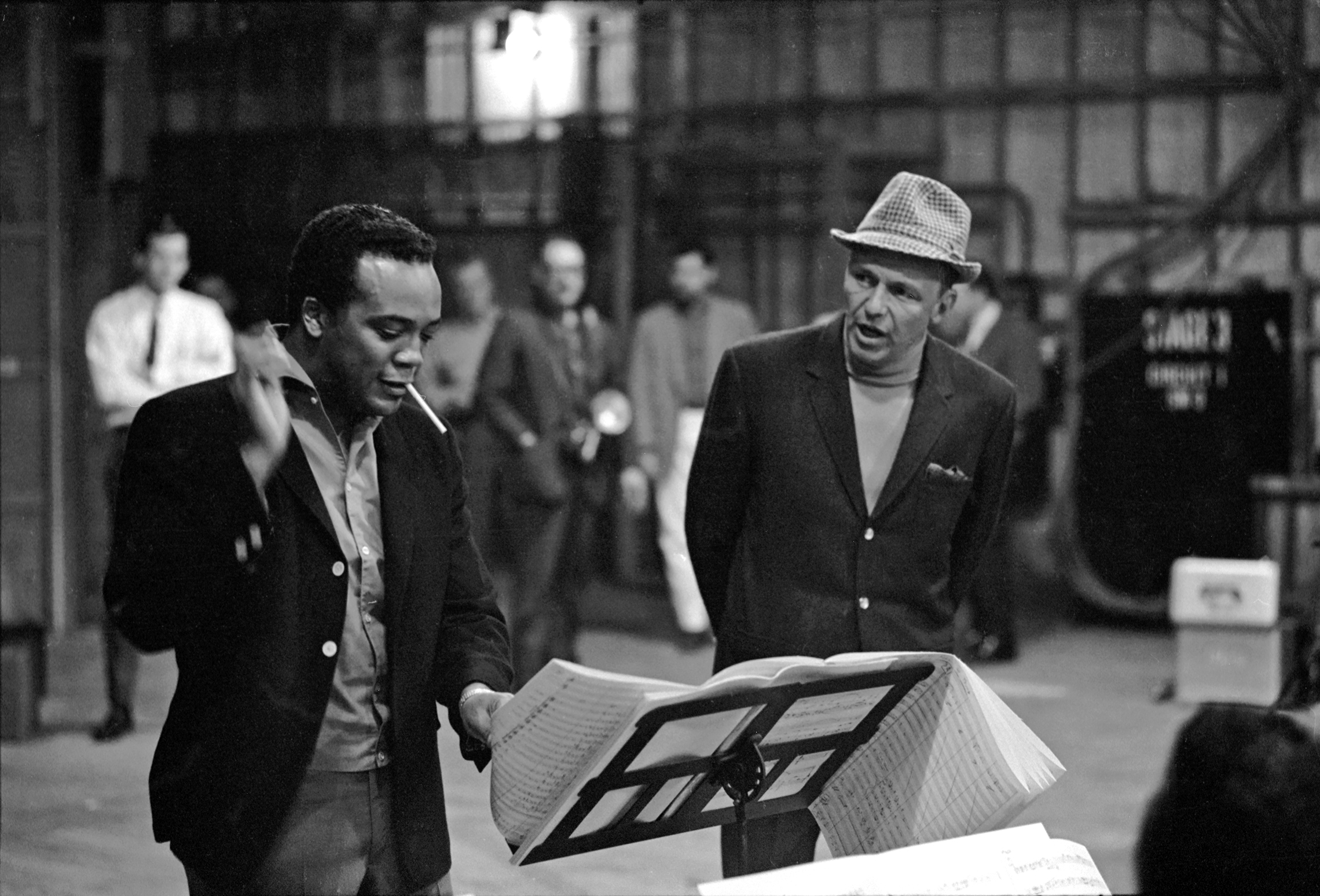
Jones became a Mercury vice president and built a substantial screen career. The Smithsonian lists scores for The Pawnbroker, In the Heat of the Night, Sanford and Son and Roots. Its tribute also connects his production work on The Wiz soundtrack with the Michael Jackson albums Off the Wall and Thriller.
This was the major pop breakthrough, but it drew on a much longer professional life. Arranging, recording and writing for the screen had all become parts of Jones’s work. Treating him simply as the producer of one famous album misses that development.
When your stems or mixes are ready, HeftySend lets you send up to 100 GB free without an account, with three day expiry. Our guide to preparing audio stems for a mixing engineer covers the delivery details.
His work continued beyond Thriller
Jones went on to produce The Color Purple and release Back on the Block, which won album of the year at the 1991 Grammys. NPR also records his expansion into television through Quincy Jones Entertainment. His success kept taking new forms.
The Smithsonian remembers another part of that legacy: arts training through the Quincy Jones Workshops, his role in the charity recording We Are the World, and his support for the museum itself. These projects extended his work beyond the recording session.
Jones died in November 2024, aged 91. His career leaves plenty to study without reducing it to a formula. If you are exploring different approaches to production, Rick Rubin’s journey from a dorm room to Def Jam offers another starting point.
Watch Jones explain his musical curiosity
At 39:12, Jones remembers finding the piano. At 48:04, he describes hearing arrangements in his head. Listen for the connection between curiosity and craft.
Quincy Jones career questions
What instrument did Quincy Jones play?
Trumpet, including in Lionel Hampton’s band.
Who taught Quincy Jones composition?
He studied with the French teacher Nadia Boulanger.
Did Quincy Jones work in film?
Yes. His scores included The Pawnbroker and In the Heat of the Night.
What did he make after Thriller?
His later projects included The Color Purple and the album Back on the Block.