
A DJ with one second of sampling time
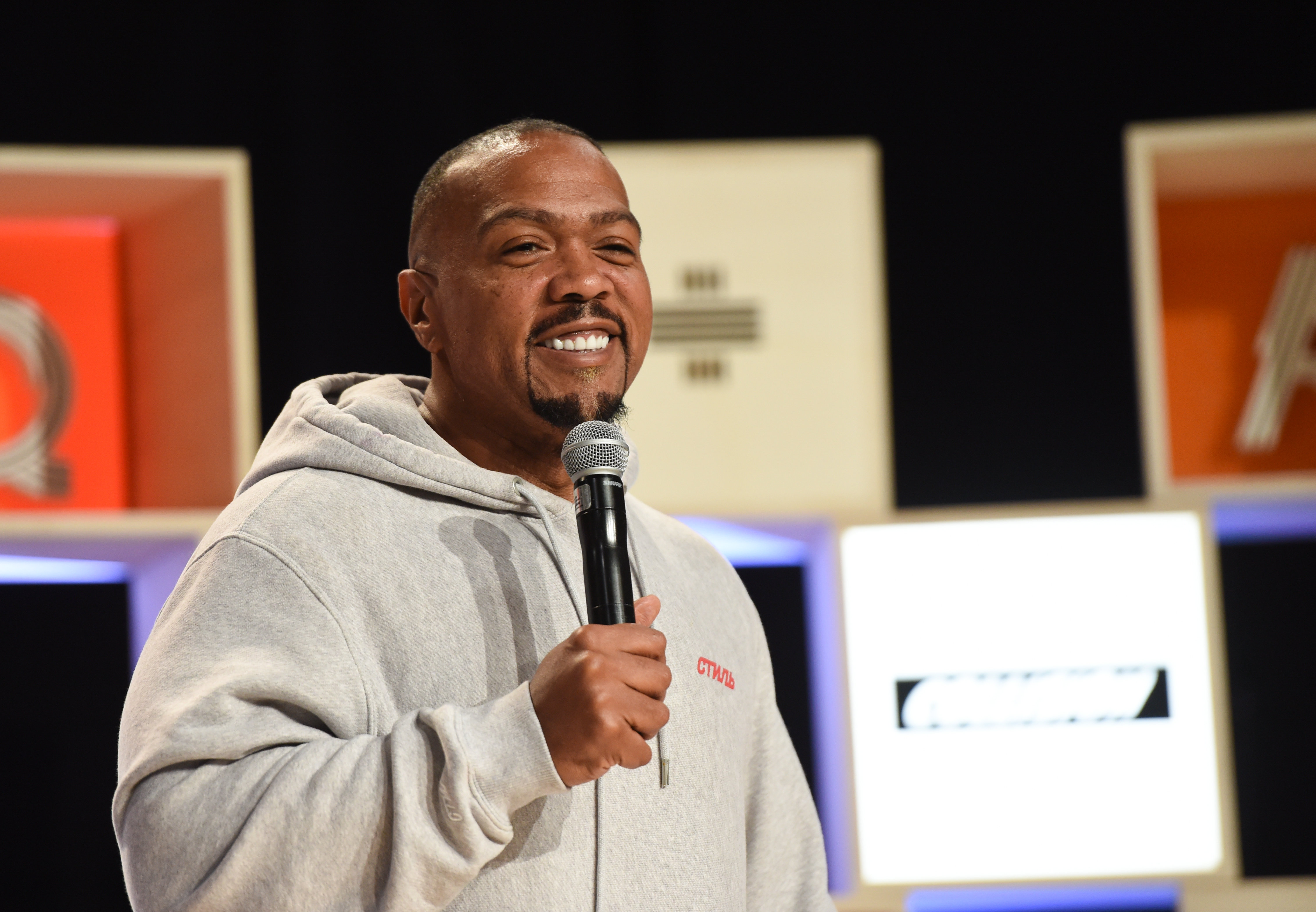
Timbaland wanted to be a DJ before he wanted to produce records. Looking back at AFROTECH’s 2023 conference, he described being drawn to the rhythms in everyday sounds.
His mother bought him a Casio keyboard with roughly one second of sampling time. That small allowance became a puzzle: how much music could he fit inside it? He sped recordings up before sampling them, then played the result lower on the keyboard to stretch the sound.
Magoo introduced him to Missy Elliott. Timbaland recalled doubting his own work, while Elliott heard something distinctive and encouraged him to pursue it. The equipment gave him a way to experiment. Another musician helped him recognise what those experiments might become.
Missy Elliott heard the songs inside the beats
In his Club Shay Shay account of meeting Missy, Timbaland remembered making beats to mix as a DJ. Elliott began singing over them. Her melodies and harmonies changed what he thought he could do, and he shifted his attention towards production.
That partnership also opened a professional door. When Elliott had the chance to work with Jodeci’s DeVante Swing, she asked to bring her own producer. Timbaland says DeVante helped both of them develop their understanding of vocals and harmony.
It was an apprenticeship as well as an opportunity. Contemporary Black Biography’s account of his early studio years describes prolonged practice with studio equipment and his recollection of demanding training. An unusual beat still had to become a record.
Aaliyah turned a demo into a breakthrough
A demo called Sugar and Spice helped carry their work beyond that circle. Timbaland told Club Shay Shay that Aaliyah heard it and wanted to meet the people responsible for the beat and songwriting.
The resulting work on Aaliyah’s 1996 album One in a Million established the partnership more widely. Ginuwine’s Pony was another early breakthrough. In 1997 came Elliott’s Supa Dupa Fly and Timbaland and Magoo’s Welcome to Our World.
These records made the early relationships part of the public story. The people who had helped one another develop were now making records together for a much larger audience.
Sharing stems, a session or finished masters? HeftySend lets you send up to 100 GB free without an account, with three days for collection. Our guide to preparing audio for a mixing engineer covers the handover.
A recognisable sound could travel into pop
The later credits widened the setting: Justin Timberlake’s Justified in 2002, then FutureSex/LoveSounds and Nelly Furtado’s Loose in 2006. Timbaland’s own Shock Value followed in 2007.
Timbaland’s 2007 account of Queen’s influence explains his approach: its bassline encouraged him to think in sounds rather than genres.


He kept returning to the original constraint
Success did not end the experiments. In his ProducerGrind explanation of making music from everyday objects, Timbaland describes trying bins, rakes, spoons and plates when he wanted a fresh approach. He returned to the question behind that first keyboard: what could he make without money for equipment?
Collaboration brought another kind of pressure. Later in the interview, he recalls making many beats before Elliott would choose one. Her encouragement and her standards belonged to the same working relationship.
That is the useful connection across these episodes. Timbaland kept finding new possibilities in familiar materials, while collaborators gave those sounds a purpose. The career was built in the exchange between an idea, a voice and another attempt.
In the Club Shay Shay interview below, start with Missy singing over his beats at 3:58, then hear how she brought him into the Jodeci sessions at 5:18. Listen for how each opportunity changed the work he could make.
Questions about Timbaland’s early career
Where did Timbaland grow up?
He came from Norfolk, Virginia, and developed his early music within the wider Virginia scene.
Did he always want to produce?
No. His original ambition was to DJ.
Who introduced him to Missy Elliott?
Magoo, according to Timbaland’s account at AFROTECH.
Which album helped establish him?
Aaliyah’s One in a Million, released in 1996, was a major breakthrough.